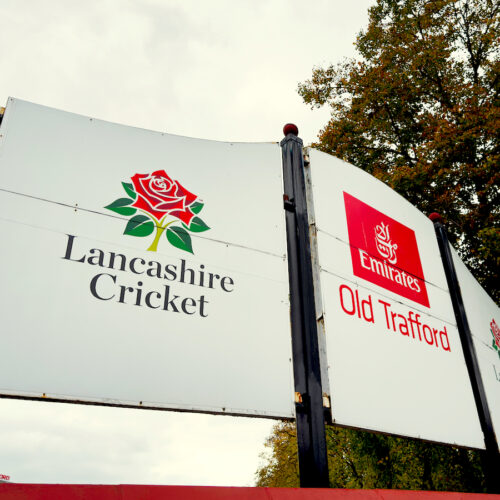

FOR GENERATIONS, people in towns like Wigan, Ashton, Golborne and Leigh knew exactly where they belonged. Lancashire was not simply a line on a map or a bureaucratic label from government offices. It was identity, history, community and tradition. Long before the age of “combined authorities”, “metro mayors” and regional management structures, Lancashire already existed in the hearts and minds of the people who lived here, where I was raised and often live.
Lancashire was the county of mills and mines, engineers and inventors, comedians and cricketers. It was a county that helped build modern Britain through industry, trade and hard work. From the factories and foundries of the north-west came generations of people who powered the Industrial Revolution, developed modern manufacturing and created proud working towns with distinct identities and cultures of their own. Lancashire contributed to Britain’s invention, enterprise and self-reliance, but it also gave us humour, warmth and community spirit. This was a county of football terraces, brass bands, working men’s clubs and straight talking.
That is why more and more people are beginning to ask a simple question: why should distant political structures matter more than local identity and local democracy?
The creation of Greater Manchester and Merseyside may have satisfied planners and administrators in Whitehall, but it never fully replaced the historic loyalties of the towns absorbed into them. Even today, many people still describe themselves as Lancastrian first. They support Lancashire cricket, celebrate Lancashire history and speak proudly of belonging to the Red Rose county. That identity survived because it was real. It was never invented from above.
Now we are told that the answer to Britain’s problems is yet another layer of government: larger combined authorities, more regional bodies and increasingly powerful metro mayors. Decisions are pushed further away from ordinary people while local councils lose influence and towns lose their individual voice. The language changes every few years, but the direction is always the same — more centralisation, more bureaucracy and more political management from above.
That is not local democracy. It is managerial politics.
People in towns like Makerfield do not want to be treated as administrative units in a giant regional machine. They want decisions taken closer to home by people who understand the communities affected by them. They want councils focused on local priorities, not political grandstanding by regional figures few people voted for and even fewer feel connected to.
The principle should be simple: townhall not Whitehall.
That means trusting local councils instead of constantly building new layers above them. It means allowing towns and boroughs to cooperate voluntarily where necessary without creating sprawling super-authorities with ever-expanding powers. It means recognising that local pride and historic identity matter because they create social connection and civic responsibility in a way artificial bureaucratic regions never can.
Lancashire itself proves this point. It was never a synthetic creation designed in a government office. It grew naturally through centuries of shared commerce, culture and civic life. The county became famous not because politicians designed a “regional identity strategy”, but because generations of ordinary people built something real together. Lancashire was the home of industry and invention, but also of entertainment and sport. It produced pioneering engineers, world-famous football clubs, cricketing traditions recognised across the country and comedians whose humour reflected the wit and resilience of working people.
Bringing back Lancashire would not mean turning the clock back to the 1950s or pretending the modern world does not exist. Transport, planning and emergency services would still require coordination. But coordination does not require endless political restructuring. Councils can work together without surrendering local accountability or creating another class of career politicians.
What many people resent is not cooperation itself, but the assumption that ordinary communities must constantly be reorganised from above by people who rarely understand them. Every decade seems to bring another reform, another authority, another mayoralty and another expensive rebranding exercise. Yet despite all this bureaucracy, many towns still feel ignored, neglected and underrepresented.
Perhaps the problem is not that local government is too local. Perhaps the problem is that it has become too distant.
Lancashire represents something larger than administration. It represents continuity. It represents belonging. It represents the idea that communities should not simply be managed but respected. In an age where politics often feels detached from ordinary life, historic counties remind people that they are part of something enduring and meaningful. The Red Rose still means something because it connects modern communities to generations who came before them.
That is why the idea resonates far beyond nostalgia. It speaks to a wider frustration with modern politics itself — the feeling that decisions are increasingly made by remote institutions rather than by accountable local representatives rooted in their communities.
“Lancashire is our county, anything less just isn’t cricket” may sound humorous, but beneath the humour lies an important truth. People value fairness, tradition and common sense. They do not want endless constitutional experiments. They want government that feels understandable, local and connected to everyday life.
The future should not belong to giant regional bureaucracies with confusing layers of authority. It should belong to strong towns, accountable councils and communities with pride in their own identity and history.
In the end, this is not simply about maps or boundaries. It is about where power belongs.
And power belongs closer to home.
Established in 2006 and celebrating twenty years, ThinkScotland is not for profit relying on donations to publish our wide range of opinions. You can subscribe to our FREE newsletter here – share and follow us on ‘X’ here – like and comment on facebook here and make a donation here. Every contribution helps to meet our overheads.
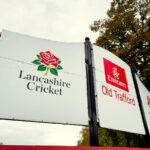
Photo of Lancashire county cricket and Emirates Old Trafford in Manchester by AS Photo Family via Adobe Stock.